Crucial Insights on Drug Impairment Tests
Key Takeaway Ready to have a quick test of your observation skills and short-term memory? Imagine this; you are enjoying a stylish night out with your friends and full of witty jokes and cheerful glitter. Suddenly in the light of a checkpoint with the feds, you flash your red and blue lights.
But What runs in the minds of the feds during these stops of yours?
And in basic; Drug impairment test are essential for getting dangerous drivers away from driving. When it comes to drugs like alchol or marijuana, you can taste the police at work, as they utilize tools like breathalyzers and field sobriety tests to determine a level of intoxication.
Standardized sobriety tests in a way are problems in coordination. Just think about it, imagine that you are asked to walk heel to-toe in a straight line. This can be hard even when sober; not everyone is balanced like acrobatics on a rope! Standing on one leg, the nasal touch exercise, or following an object going back-and-forth with your eyes might be easy when sober but difficult under stressful circumstances.
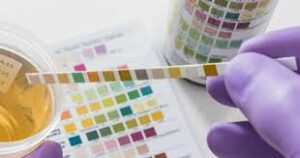
Personally, I consider chemical tests – breath, blood, urine – to be just like a street detective. Your alcohol figure will pop up when you blow into their breathalyzer. While blood tests always take a bit longer, they can usually give you a more accurate picture when it comes to a range of different drugs. Urinalysis are looking for more of a user history than just what is currently causing intoxication.
Drug detection technology and as a result, good testing techniques are likely to change over time. Saliva testing and other methods that are equally cutting-edge offer quick test result and easy to interpret. At the same time these advances arise, there will always be a lot of debate touching on the legal and ethical implications.